marchio
The liberation of society and nature from the growth imperative is possible only when intergenerational equity is established by 
   subjugating private interests to that of the community. We believe that indigenous ecological  ethic contains the seed of subversion
of the hegemony of developmentality
.
Organisational Structure Precepts & Principles   Activities  Publications  Vrihi  Basudha Events & Announcements  Contacts
A Brief Introduction

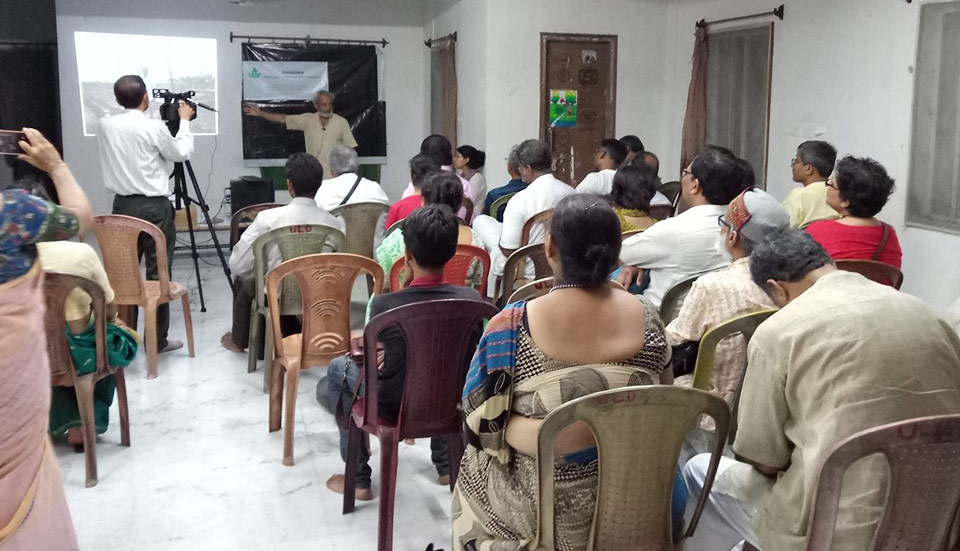
Centre for Interdisciplinary Studies (CIS) was established in 1993 with a view to establishing a forum for public discourse across various disciplines of knowledge. CIS conducted a series of formal and informal seminars on diverse topics – ranging from film theory to pentatonic music, from sociobiology to the politics of population, from Third World medicine to View conservation biolgy – in the city of Kolkata, involving eminent scholars and students.

From 1995 onwards, CIS included field research in its fold of activities. Beginning with a small economic and ecological  survey in a deltaic island of the Sunderban, CIS focused attention on the status of extant crop genetic diversity and traditonal cultural institutions that are conducive to conservation of local biodiversity. CIS has also been involved in diverse policy advoicacy campaign, related to farmers' rights and corporate plunder of indigenous knowledge systems under the WTO/TRIPS regime.

  Lacewing        Snake       4Butterflies

In order to facilitate coordination of research and documentation with advocacy work, CIS was registered in December 2004 as trust organisation, with Dr. Debal Deb as its Chair and Mr.Debashis Chatterjee its Secretary. The Advisory Committee of CIS is composed of professional natural and social scientists, and educators.

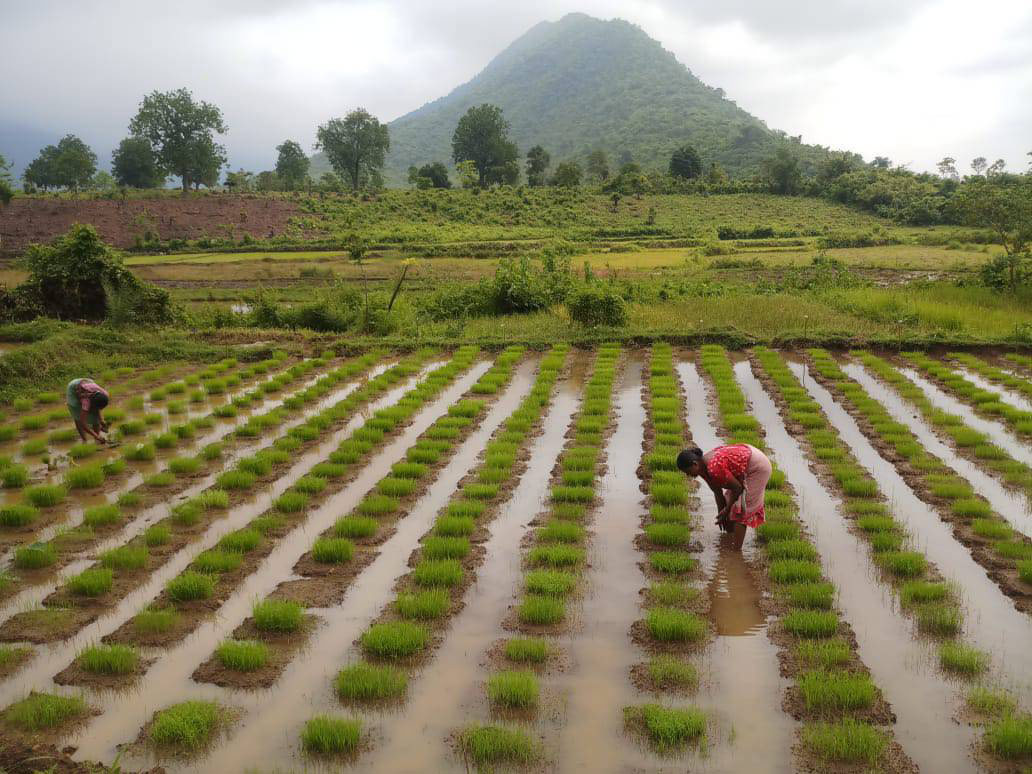
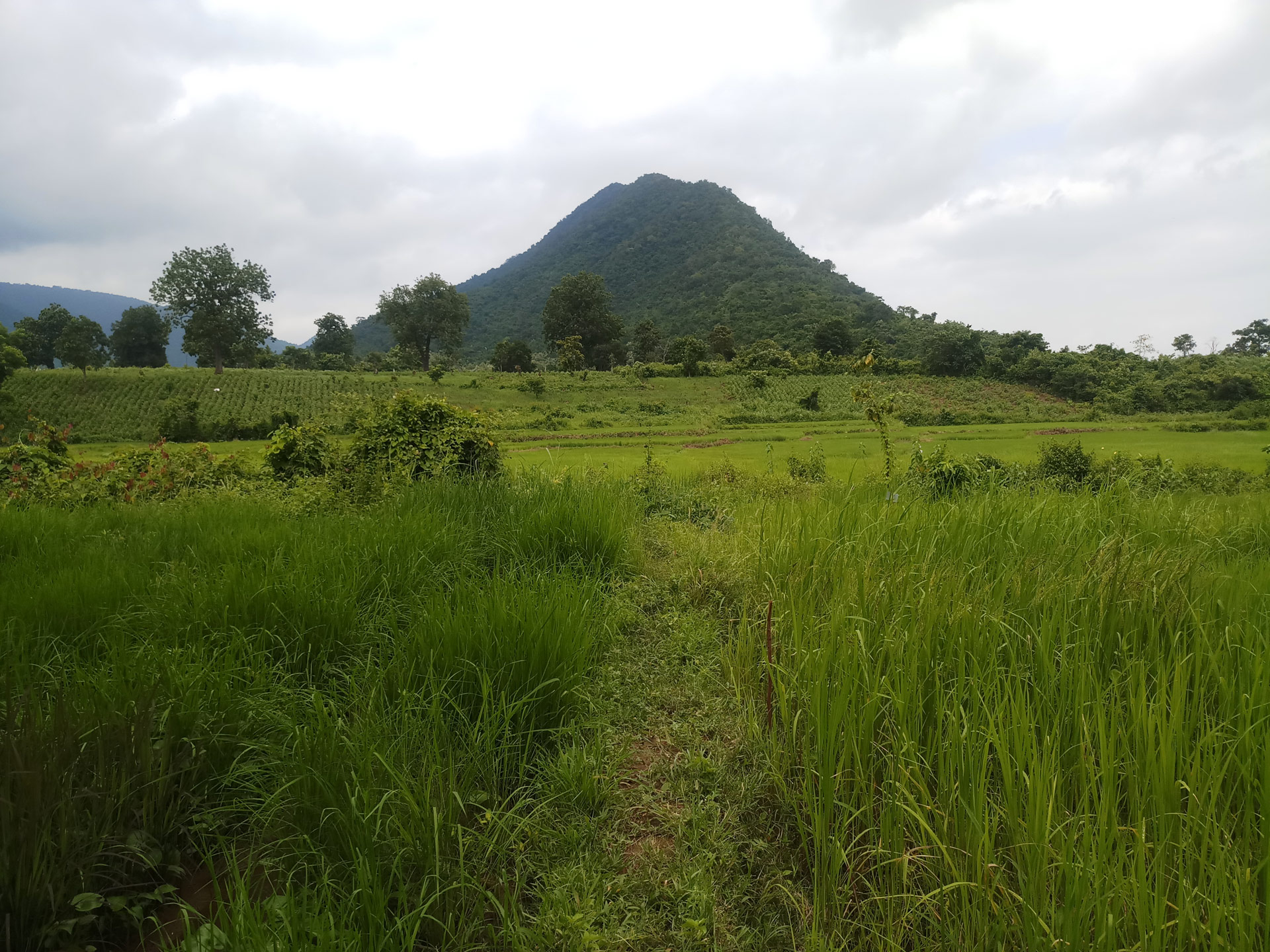
In 1994-95, CIS conducted and monitored an eco-development  project in deltaic islands of the Sundarban. The work generated a mass awareness of the significance of the Sundarban ecosystem among the forest-fringe villagers. The field research and sustainability campaign of CIS received a new vigor after its founder, Dr.Debal Deb left service in late 1996. From 1997 onwards, CIS has pioneered  in conservation of indigenous crop diversity in east India, where the extent of folk crop genetic erosion has assumed  enormous proportions. In 1998, CIS, as a partner of Research Foundation for Science, Technology & Ecology (RFSTE), New Delhi, established Vrihi, a folk rice gene bank – the first in eastern India. Vrihi (meaning "rice" in Sanskrit) distributes folk crop variety seeds among farmers to promote in situ conservation of rare crop varieties. In its dryland ecological farm Basudha (meaning "Earth Mother"), more than 500 varieties of Indian rice and over 30 different crop spcies are grown using zero input of any synthetic agrochemicals.

    Rice        Legumes       Millets  

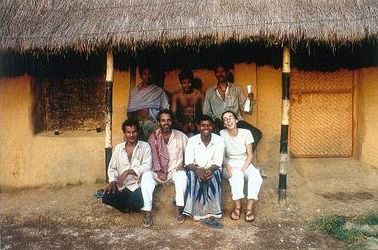
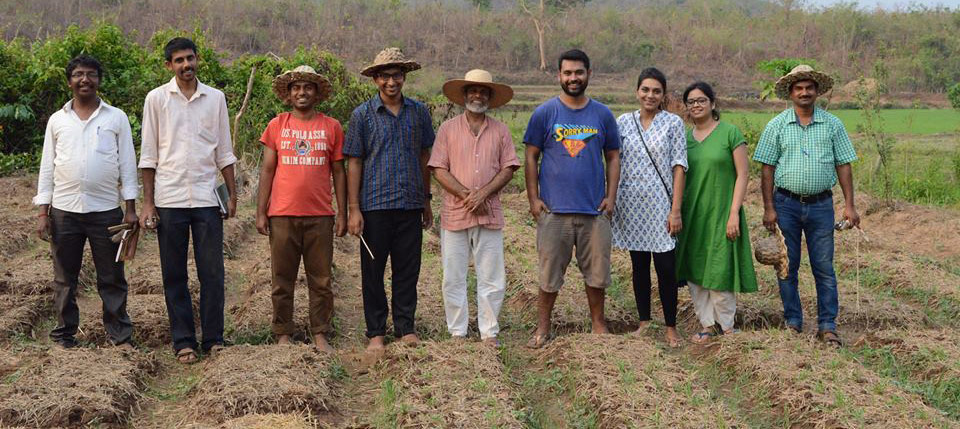
Votives  Basudha is the research station of CIS, where not only ecological farming techniques but  alsoSPtrtl&Fish methods of ecological architecture, rainwater harvesting, soil conservation,  and  conservation of local bio-resources are demonstrated.  Basudha serves to create a tiny model of local  resource-based community development, in which  villagers are  voluntary participants.

 CIS documents, and seeks to resuscitate, the evanescent  elements of the indigenous culture that are known to have  been conducive to biodiversity conservation. CIS  has especially contributed to  inventorying the region's traditional sacred groves and sacred ponds that house a wealth of rare and endangered biota.

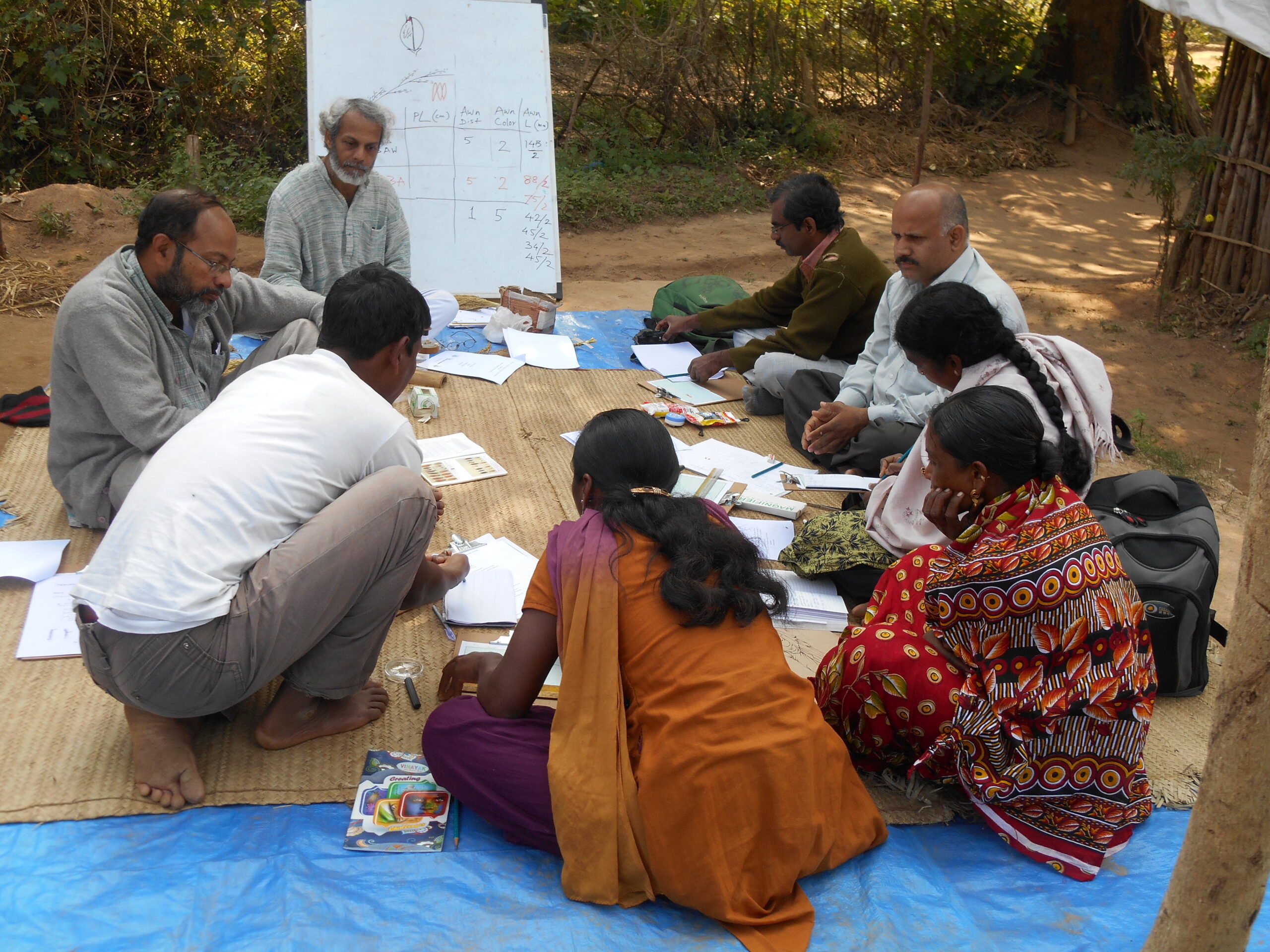
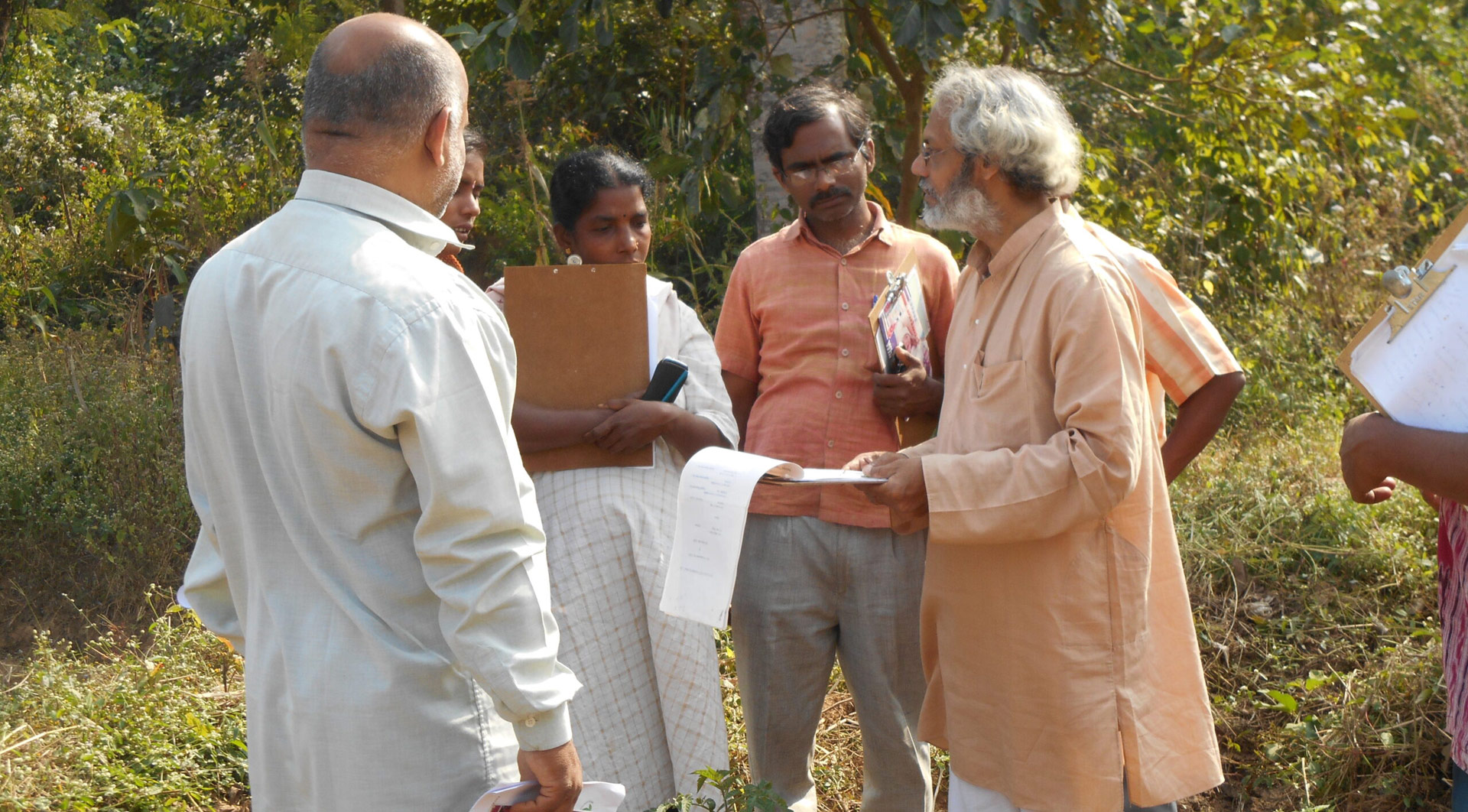
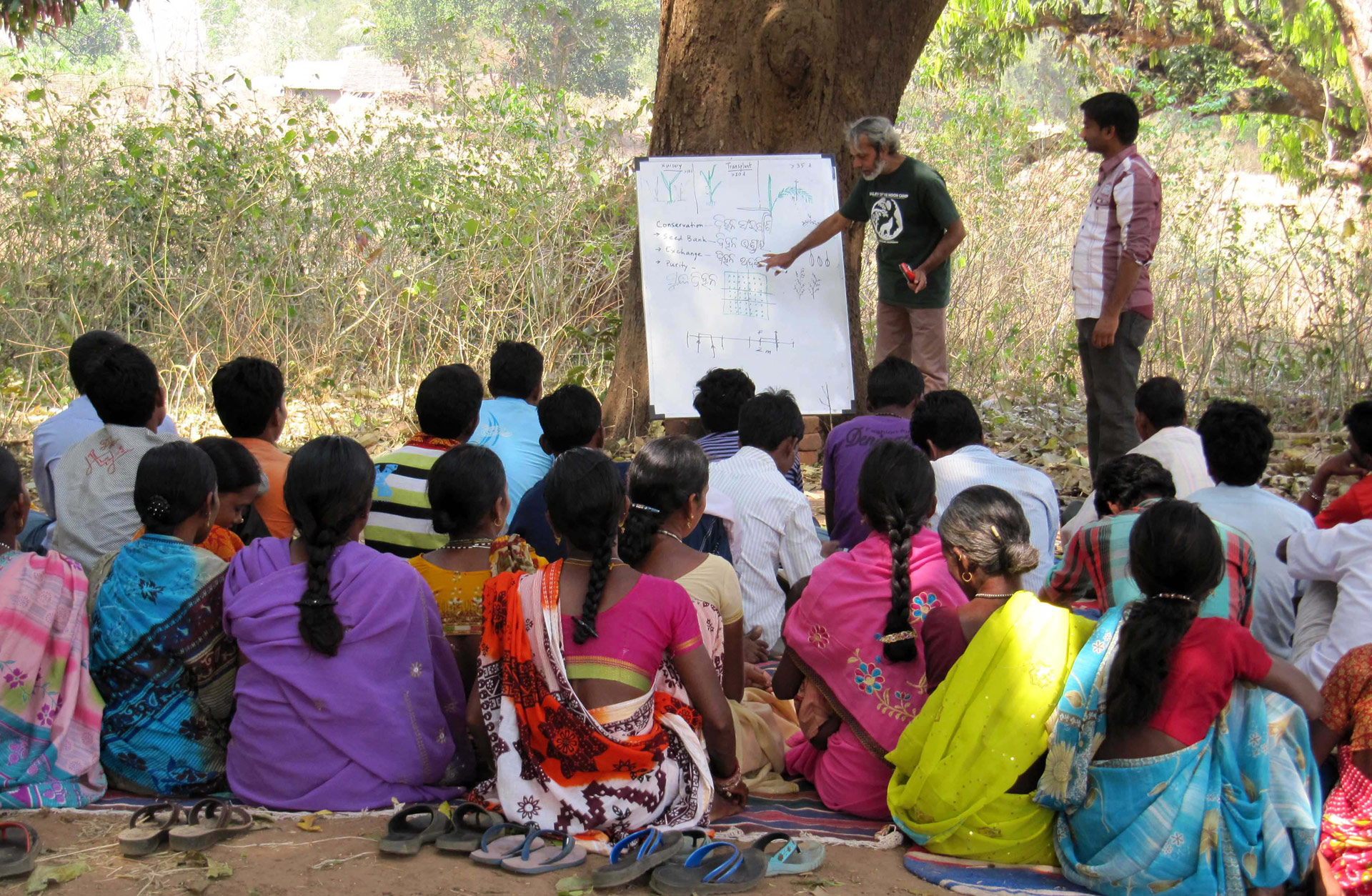
CIS periodically conducts farmers' workshops in different parts of the country, and gives training to farmers and NGOs in crop genetic diversity coinservation, ecological agricultural techniques, and participatoey documentation of local biodiversity.

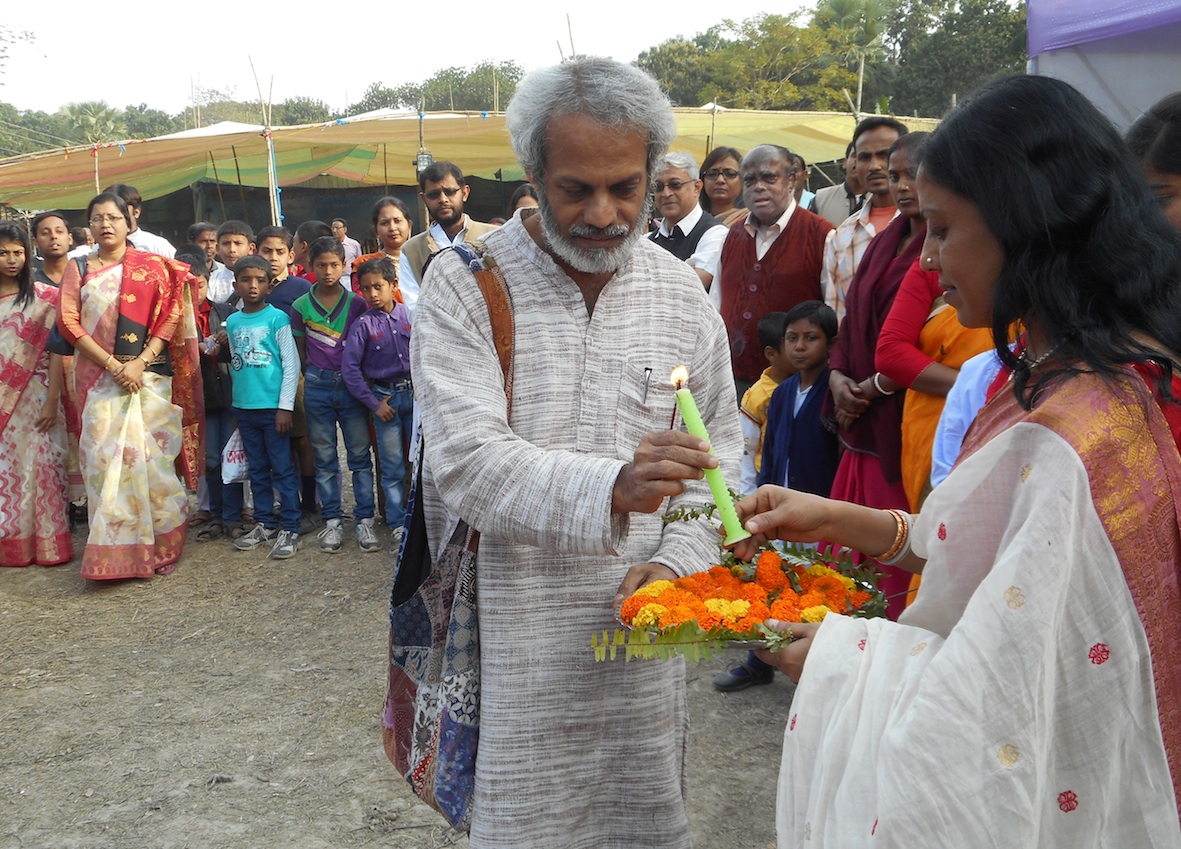
Alongside, CIS organizes various non-formal educational programs to inculcate scientific thinking into children, including school drop-outs. CIS members are engaged in movements to oppose superstitions and social injustices.

CIS periodically receives visitors - scientists, activists and students - whose voluntary farm labour, assistance in education and training, and consultation in technical matters are bartered with hospitality on Basudha campus.

  This site is kindly sponsored by Dr. Paoloroberto Imperiali of Circolo Culturale Ambientescienze, Cremona, and designed by Tathagata Banerjee of CIS, Barrackpore.  Your comments and suggestions are solicited.  
Document made with Nvu